PHE: Public Humanities Experience
This semester has been a journey in Public Humanities scholarship and engagement. Juggling the creation of a public engagement web page for a university archive ‘special collection’ while learning about the theory underlying that engagement has been challenging. Students like to dream high and while studying are exposed to the best practices, which builds high hopes and expectations. We explored exciting Digital Public Websites such as “Bracero History Archive” (2010); The Great Chicago Fire and the Web of Memory (1999)and Driving Through Time: The Digital Blue Ridge Parkway. Learning has been directed toward thinking about the unique aspects of humanities interaction as well as the structural & interpretive components of web presence and websites.
The goal of my particular journey has been to develop a web resource that will provide awareness of resources, connections between resources, encourage scholarship and research and promote on going work on Women and their history in Northeast Ohio. The real ‘engagement’ aspects of my experience forced me into the application of political, strategic politics as well as challenges of hardware and software, all while being confronted with insights of experts who exposed fallacies in practices and promoted a deeper awareness of audience needs and the connections between tools and conveyance of information. Each aspect of the education, challenged my conception of the project. The struggle with deadlines certainly simulated real life production pressure. Meeting with collaborating individuals and institutions resulted in constant refinement and the dynamic challenge of conflicting goals and interpretations.
Ideas are made real by experiences and when they take place in the public setting they create true human engagement.
FYI: For Your Information
The purpose of digital humanities is to engage people in the ideas, purposes and actions of the world about them. This does not sound so difficult until it is realized that communicating big and complex ideas to individuals who vary in age, culture, intellectual experience and ability is also being mediated by space, context and technology. “Interaction (between presenter & receiver) is almost always necessary to accomplish your goals.” Perspectives and cultures not only of people, but of the ‘organizations of collection’ themselves, among the objectives of the public education, and the audience which varies in capability & experience are all approaching this communication very differently. It is only through building relationships, that clear and engaging communication can be developed.[1] It is not merely thinking about the idea we wish to communicate, it is about rethinking about what the visitor is able to receive. The idea of thinking about “visitors” to public museums, institutions and parks in terms of ‘relationships’ results in a radically different engagement.[2] When “visiting” was solely defined by physical space, often difficult and expensive to access the “engagement” was much different than when access to technology demands multi-sensory and multi-platform intersection. Even though it still may be difficult and expensive to create, it is necessary for the audience to perceive the information we are trying to exchange.
If we want the audience to understand appreciate and act upon or incorporate our information; we must understand and intersect with their modes of communication.
FO: Field Operations
While Citizen Archivist, The Postville Project and Digital Harlem have provided ideal types for my own ideas, it is not until I got into trying to create a project, that the complexity, collaboration and comprehensive strategy of these undertakings became evident. These websites are masters of design and integration. The elements of my project seemed fairly simple:
- create a list of resource links to make resources accessible in a centralized portal
- install an exhibit space where women’s history can be demonstrated
- provide a contact sheet so that information can be exchanged and
- enable a dynamic space where interesting projects can be announced and engage contribution
Immediately I was challenged by the concept of ‘is my concept of sharing information’ really sharing?[3] Or am I maintaining control over the sharing, which is not really sharing. Is there a deeper way to engage? Am I providing a “newsletter” or a collaborative space? Am I providing a design that invites the user into the topic and enables them to develop their own thinking as well as absorbing mine?[4]
Considering the audience as a specific individual, is an exercise forced me, as the creator of the site, to move from general concepts and overblown expectations as to who would really access this site. It also made clear that engaging the content from different perspectives, helps define and present that content in more accessible ways.[5] I experienced these different perspectives in meetings where interested potential users asked me questions I couldn’t answer. So much for being an authority on the topic. But even more humbling was translating my vision into technical reality. Tools have always been limited. They are extensions and helpers, but they are not the same thing as a concept. The vision must be altered by what is possible to accomplish with the tool. If the tool is insufficient it must be altered or exchanged for a different tool. I tried to force a dynamic collaborative website concept into a tool that was meant for identifying and collecting things. If I had technologic expertise or a collaborative team, I might have been able to adapt the tool. However, I am also working with an established system and there was an unwillingness to adapt their system to my vision. Back to the drawing board for reconception of how to convey my meaning within and established format. It was necessary to share control, concept and expression.[6]
FUM: Formative Understandings & Musings
I had envisioned myself as an open and forward thinker. My journey into digital humanities has challenged that self-conception. I realize how my training in critical thinking has created its own set of biases and obstacles to communication. Considering users as specific people with needs has shaped my thinking in terms of content selection. It also demands a broadening my use of tools, to facilitate my communication, rather than expecting others to put forth the effort to grasp my meaning. Using technology has made me more aware of the multiple layers of interfaces and how that may limit our expressions and reshape our interpretations by focusing our content in “easily accessible tools or images”. It has deepened my appreciation of the past and the present. It has sharpened my awareness of the need to communicate ideas more frequently and engagingly. It has indeed been a giant journey!
[1] Allen-Greil, D., et al. “Social Media and Organizational Change.” In J. Trant and D. Bearman (eds.) Museums and the Web 2011: Proceedings.Toronto: Archives & Museum Informatics. Published March 31, 2011. And Corbett, Katharine T. and Howard S. (Dick) Miller. “A Shared Inquiry into Shared Inquiry.” The Public Historian 28.1 (2006): 15-38.
[2] Lindsay, Anne. “#VirtualTourist: Embracing Our Audience through Public History Web Experience.” The Public Historian 35.1 (February 2013): 67-86.
[3] Michael Frisch, “From A Shared Authority to the Digital Kitchen, and Back,” in Letting Go?: Sharing Historical Authority in a User-Generated World. Edited by Bill Adair, Benjamin Filene, and Laura Koloski (Philadelphia: The Pew Center for Arts and Heritage, 2011) 126-137.
[4]Tim Sherratt, “It’s All About the Stuff: Collections, Interfaces, Power, and People,” Journal of Digital Humanities 1, no. 1 (March 9, 2012), http://journalofdigitalhumanities.org/1-1/its-all-about-the-stuff-by-tim-sherratt/
[5] Tim Sherratt, “It’s All About the Stuff: Collections, Interfaces, Power, and People,” Journal of Digital Humanities 1, no. 1 (March 9, 2012) and Steve Lubar, “Exhibit and Exhibit Labels Workshop, On Public Humanities, March 31, 2015.
[6] Tammy S. Gordon, “Community Exhibition: History, Identity, and Dialogue,” Private History in Public: Exhibition and the Settings of Everyday Life (Lanham: AltaMira Press, 2010). 33-57 plus notes.
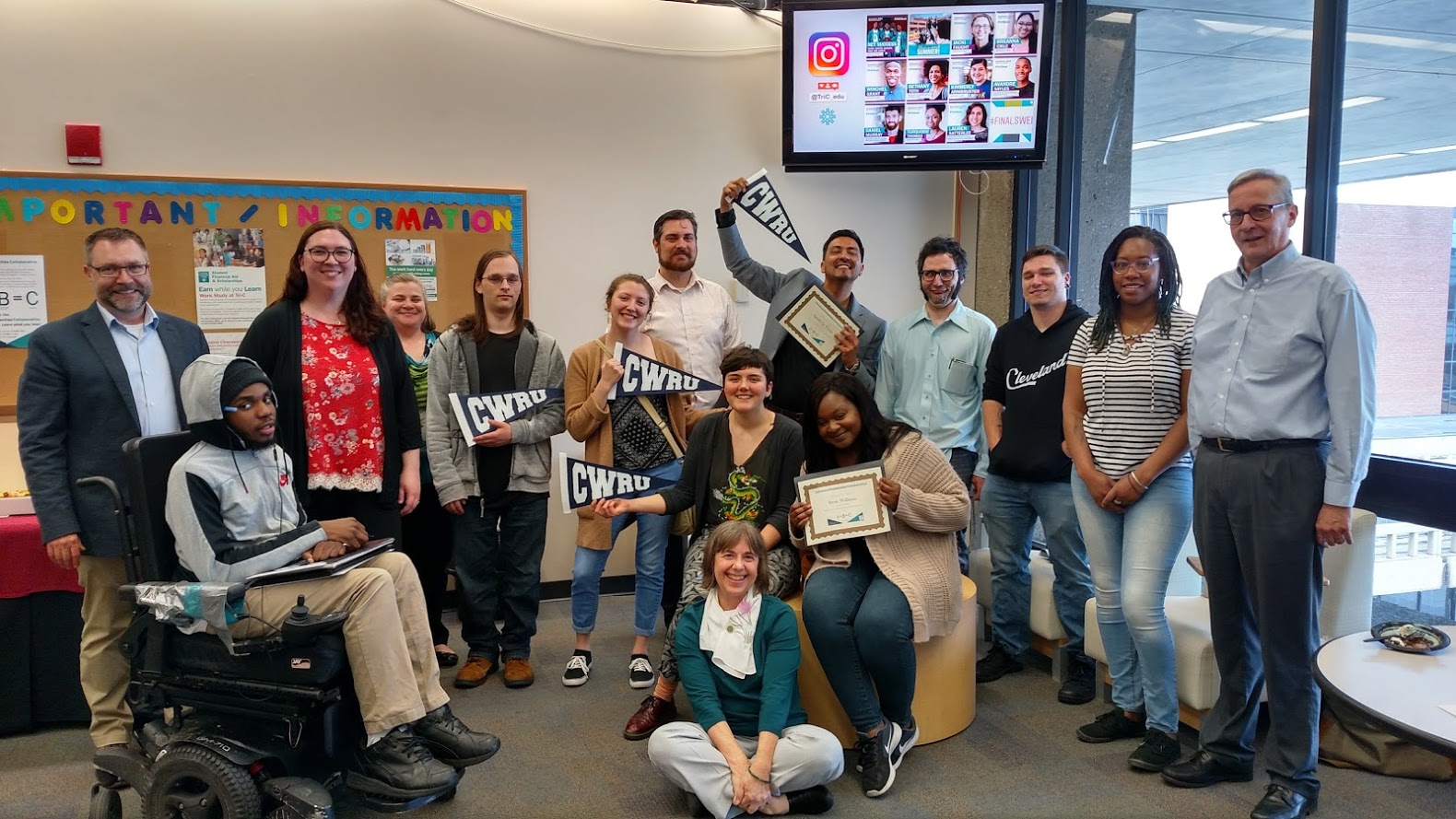
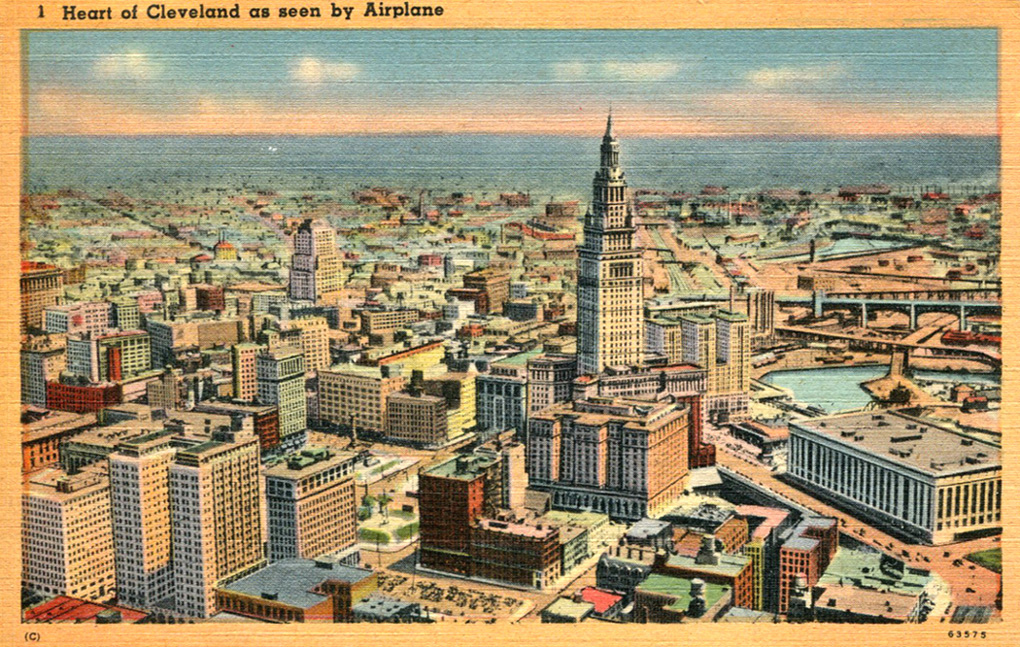 course. This course combines traditional class lecture and activities with actual physical
 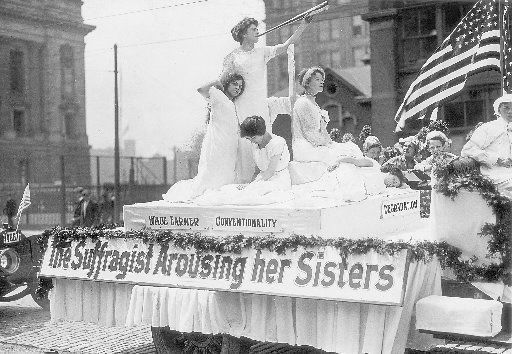 tours.